
If you're searching for the best coin collecting software, chances are you're trying to solve a common problem: keeping track of your coins and understanding what they're worth.But there’s an important truth every collector eventually learns:Raw coins cannot be automatically valued.No app, scanner, or AI tool can reliably determine the value of a raw coin on the fly. While coin collecting software can help you organize your collection and track market data, the value of a raw coin ultimately comes down to expert evaluation and buyer judgment.Understanding this difference is critical when choosing the right coin collecting software for your collection.
If you're searching for the best coin collecting software, chances are you're trying to solve a common problem: keeping track of your coins and understanding what they're worth.
But there’s an important truth every collector eventually learns:
Raw coins cannot be automatically valued.
No app, scanner, or AI tool can reliably determine the value of a raw coin on the fly. While coin collecting software can help you organize your collection and track market data, the value of a raw coin ultimately comes down to expert evaluation and buyer judgment.
Understanding this difference is critical when choosing the right coin collecting software for your collection.
A raw coin is simply a coin that has not been graded and encapsulated by a third-party grading service like PCGS, NGC, CACG, or ANACS.
These coins may be stored in:
Some raw coins are beautiful original pieces. Others may have issues such as cleaning, damage, or wear that dramatically impact value.
Until a coin is graded, its condition is subjective.
And that subjectivity is exactly why automatic valuation doesn’t work.
Many collectors expect modern apps to instantly scan a coin and assign a value.
But even the best coin collecting software cannot determine raw coin values accurately because pricing depends on factors that require in-hand examination.
Small surface problems can dramatically impact value:
A coin that looks like MS-63 in photos might actually grade AU-58 in hand.
That difference alone can change value dramatically.
Two coins with the same date and mint mark may have completely different strike quality.
Weak strikes often sell for less than strong examples, even if they share the same technical grade.
This type of nuance is something collectors evaluate visually and physically, not through automated tools.
Eye appeal is one of the most powerful drivers of value in numismatics.
Original luster, toning patterns, and overall visual balance can influence price far beyond published guides.
Some coins sell for multiples of price guide levels simply because they look exceptional.
Software cannot measure that type of collector demand.
Many raw coins have problems that are difficult to detect in photos:
Experienced collectors inspect coins under proper lighting and magnification before assigning value.
Apps simply can’t replicate that process.
Rather than trying to guess raw coin values, the best coin collecting software focuses on organization, tracking, and documentation.
Collectors benefit far more from software that helps them:
In other words, software should help manage the information around the coin, not attempt to replace expert evaluation.
Most collectors don't lose money because they lack pricing apps.
They lose money because their collections become difficult to manage.
Coins end up scattered across:
Without a structured system, it becomes difficult to track what you own, what you paid, or what should be sent for grading.
That’s where modern coin collecting software becomes valuable.
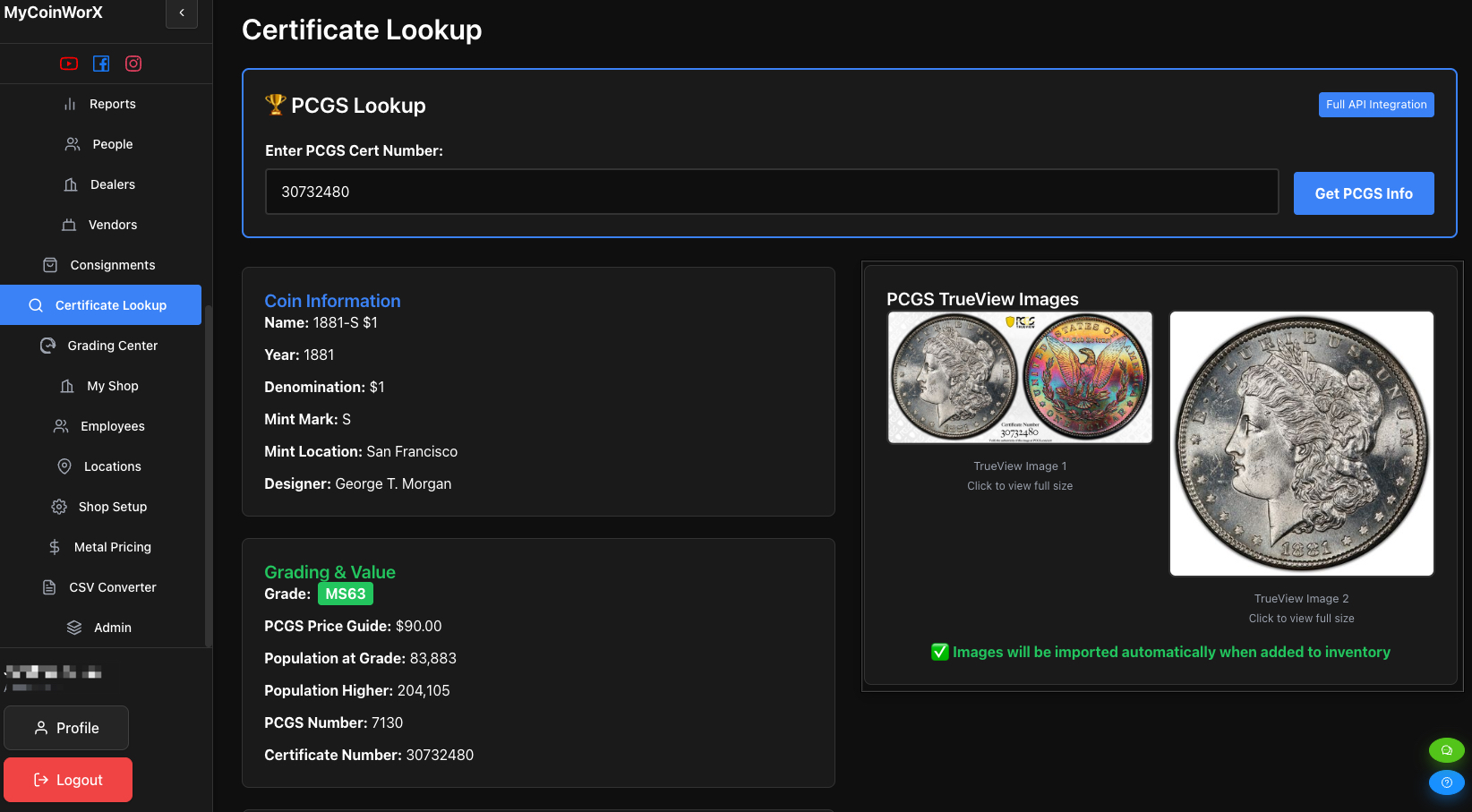
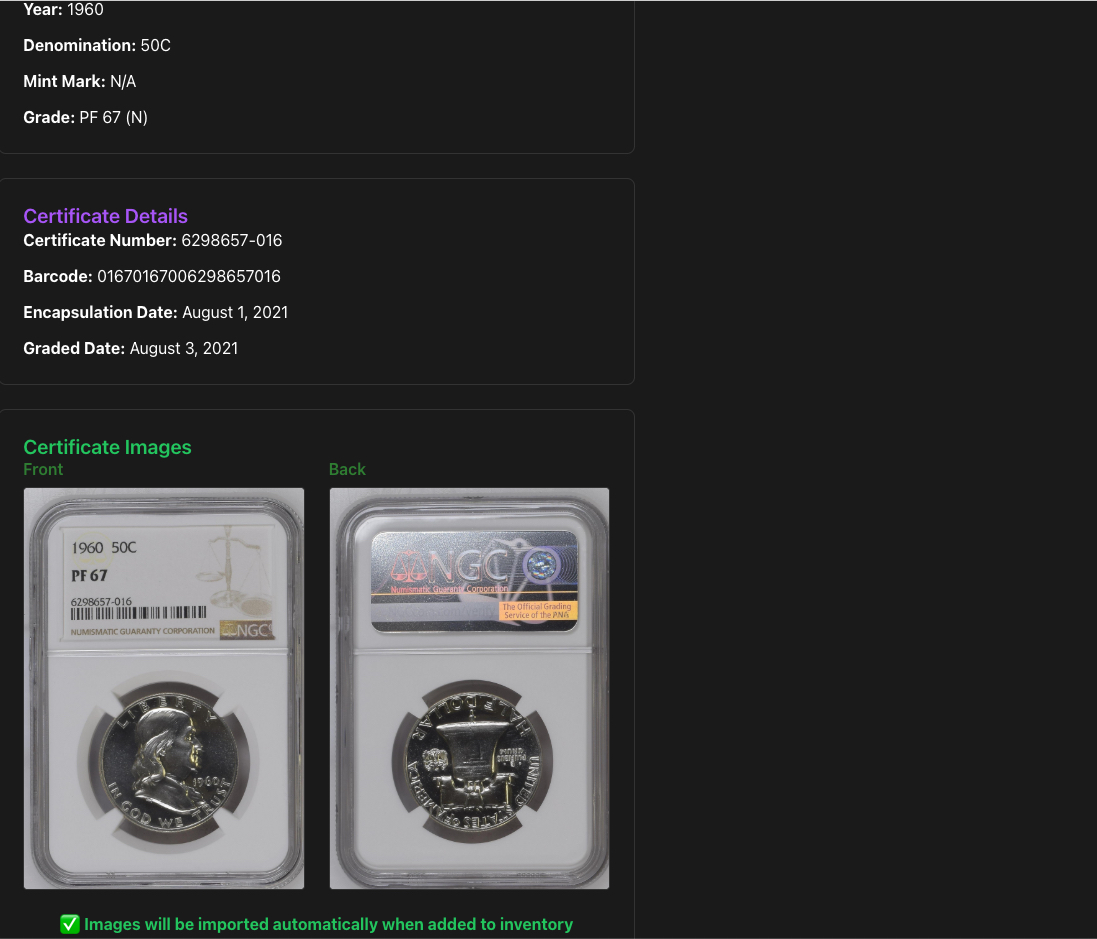
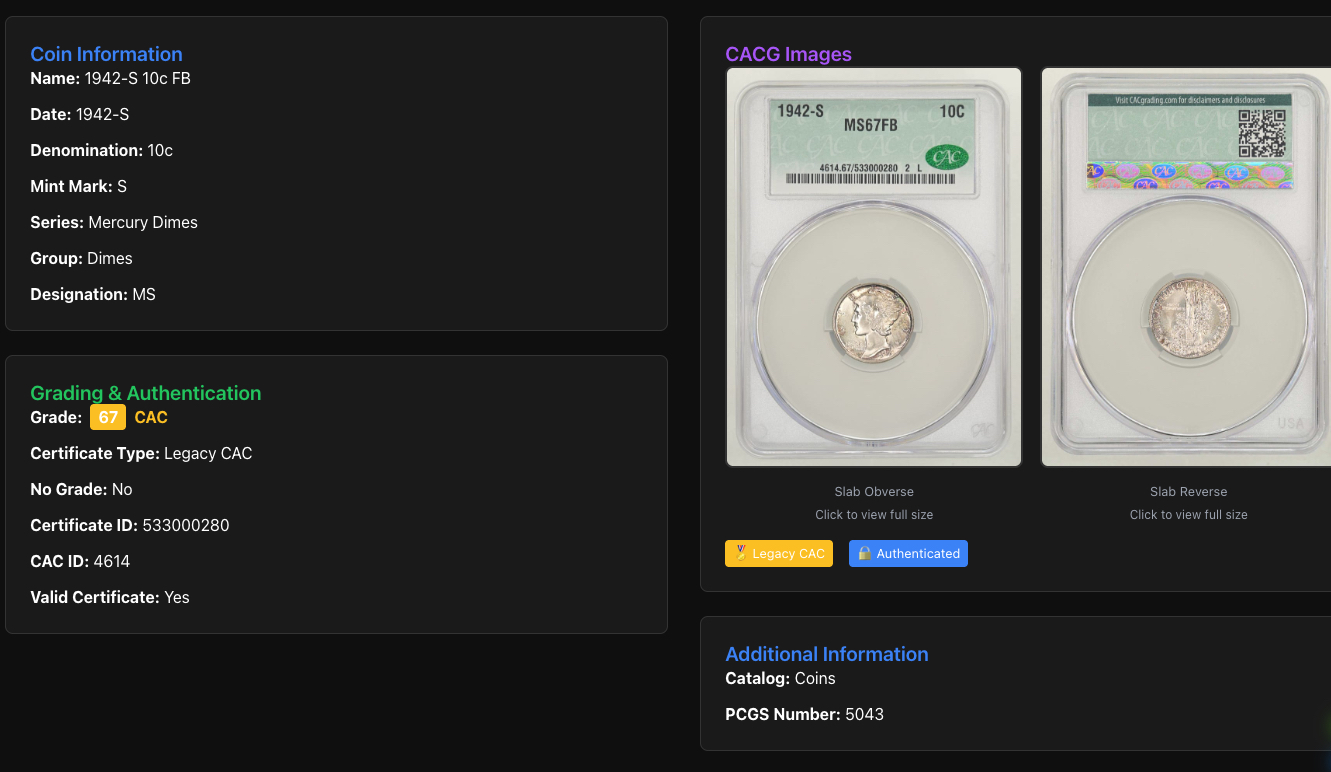
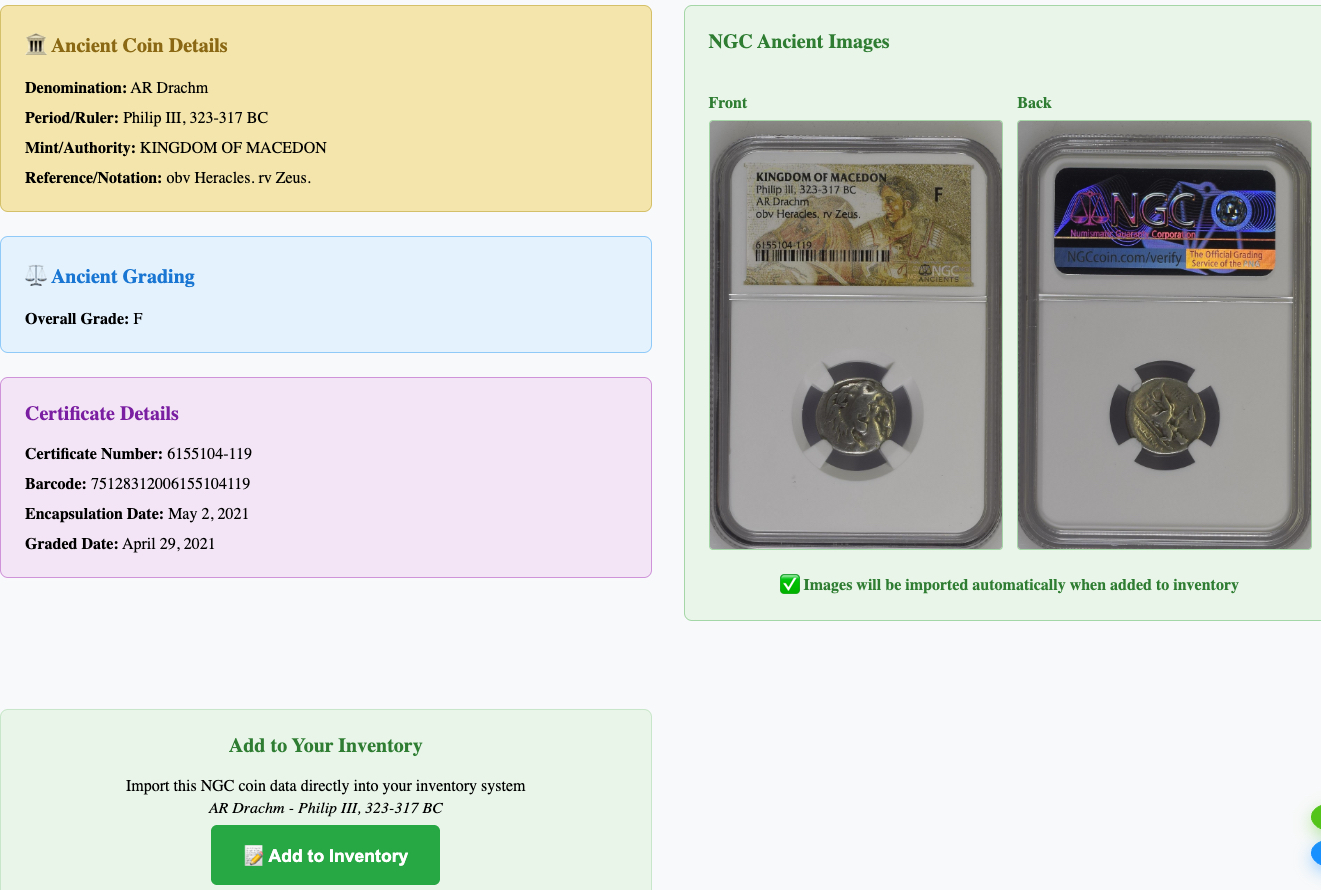
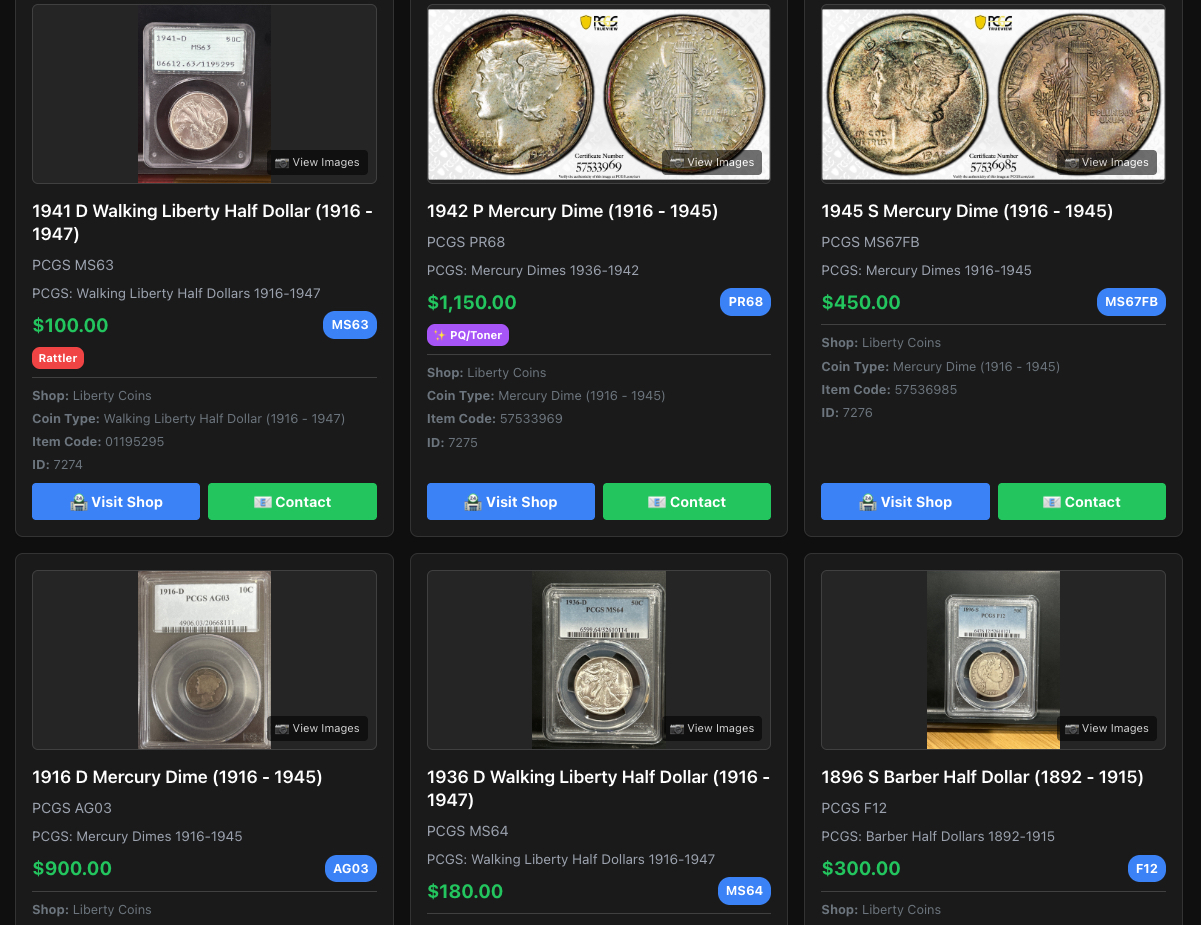
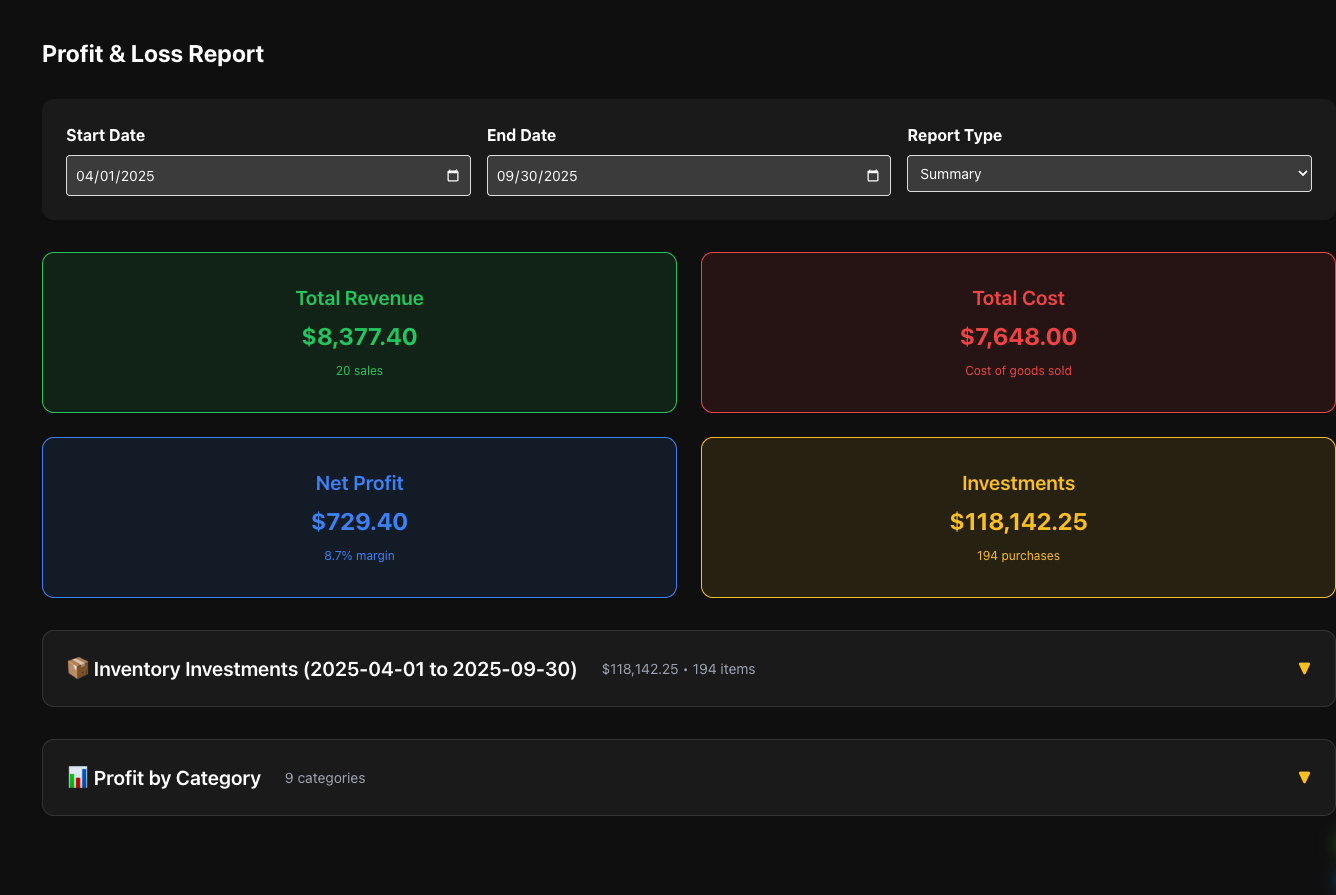
Platforms like MyCoinWorX allow collectors and dealers to organize raw coins alongside graded coins, with support for dozens of raw coin categories from half cents through modern issues.
Instead of forcing automated pricing, the system focuses on documentation, organization, and market data where it actually applies.
Many collectors rely too heavily on technology when evaluating raw coins.
Here are some of the most common pitfalls.
Identification apps are useful for recognizing coin types.
But they often assume ideal condition or generic grades when assigning values.
That leads to inflated expectations.
Many listings claim a coin “looks MS-65.”
But unless a grading service agrees, the coin remains raw.
The market prices that uncertainty.
Grading is difficult—even experienced collectors disagree.
A one-grade difference can significantly change market value.
Experienced collectors use software for structure, not speculation.
They document:
That information becomes extremely valuable when deciding whether a coin should be sold, submitted for grading, or held long term.
Modern platforms also allow collectors to access their inventory from any device, making it easy to manage collections at home, at shows, or while buying coins in the field.
If you're looking for the best coin collecting software, remember this:
No software can accurately price raw coins.
Until a coin is professionally graded, its value is determined by the market and the buyer evaluating the coin in hand.
The right software doesn't try to replace expertise.
Instead, it helps you stay organized, track your collection, and manage the information that serious collectors rely on every day.
And when the time comes to grade, sell, or expand your collection, that organization makes all the difference.


© 2026 MyCoinWorx. All rights reserved. | Terms and Conditions Frederick, MD | Built by a Proud Coin Collector | Privacy and TOS
Design and Developed by 11thAgency