Most collectors start with basic coin software—but quickly run into limitations as their inventory grows or selling becomes part of the process. This post breaks down the real difference between coin software and coin dealer software, where each falls short, and what to look for in a system that can handle both collecting and selling. If you’re still managing your collection in spreadsheets or juggling multiple tools, this will help you rethink your setup.
If you’ve been searching for coin software, you’ve probably noticed something frustrating—most tools either feel too basic for serious collectors or too clunky for real dealer workflows.
And if you’ve searched for coin dealer software, the problem flips. Now everything feels like accounting software with coins awkwardly layered on top.
So which one do you actually need?
The answer depends on how you manage your inventory—and where you want your collection (or business) to go next.
At its core, coin software is designed to help you organize, track, and understand your collection.
For most collectors, that starts with:
But here’s the issue—basic coin software often stops there.
It doesn’t handle:
That’s where many collectors outgrow their tools faster than expected.
Coin dealer software is built for movement, not just storage.
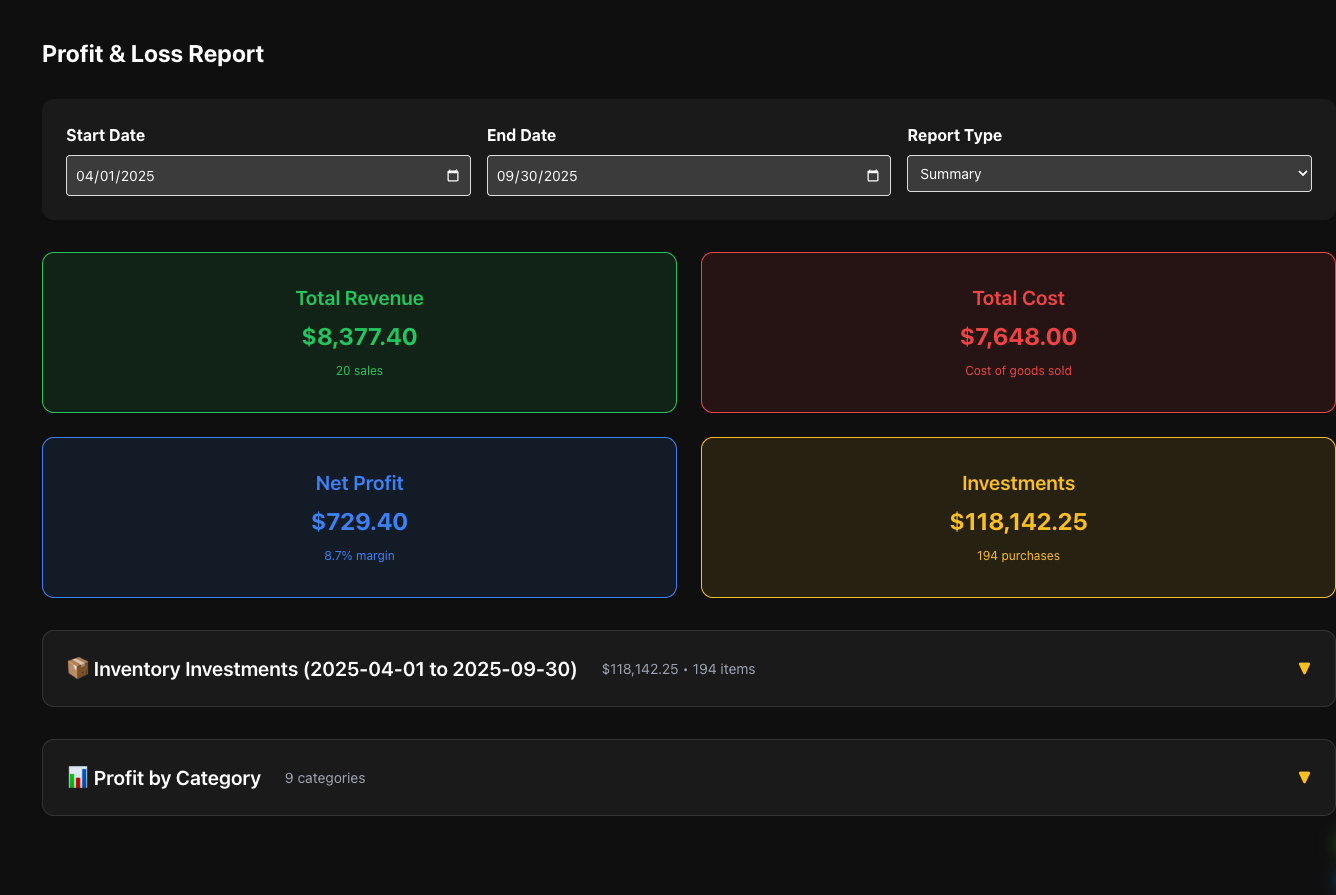
Instead of simply tracking what you own, it focuses on:
In other words, it’s not just about your collection—it’s about running a business around it.
But here’s the catch…
A lot of “dealer software” wasn’t built by people who actually understand coins.
So you end up with systems that:
That disconnect creates friction fast.
Ten years ago, the distinction was clearer.
Today? Not so much.
Collectors are:
Dealers are:
That’s why the old separation between coin software and coin dealer software doesn’t really hold up anymore.
You don’t need two systems.
You need one system that adapts to both.
Even experienced collectors run into the same issues:
What starts as a clean Excel file turns into 15 tabs, inconsistent formats, and zero real visibility.
Typing in certification details, values, and descriptions slows everything down—especially as your collection grows.
Without integrated pricing data, you’re constantly guessing or checking multiple sources.
If your system lives on one computer, it’s useless at a coin show or while buying a collection.
Whether you’re a collector or dealer, the best systems now share a few key traits:
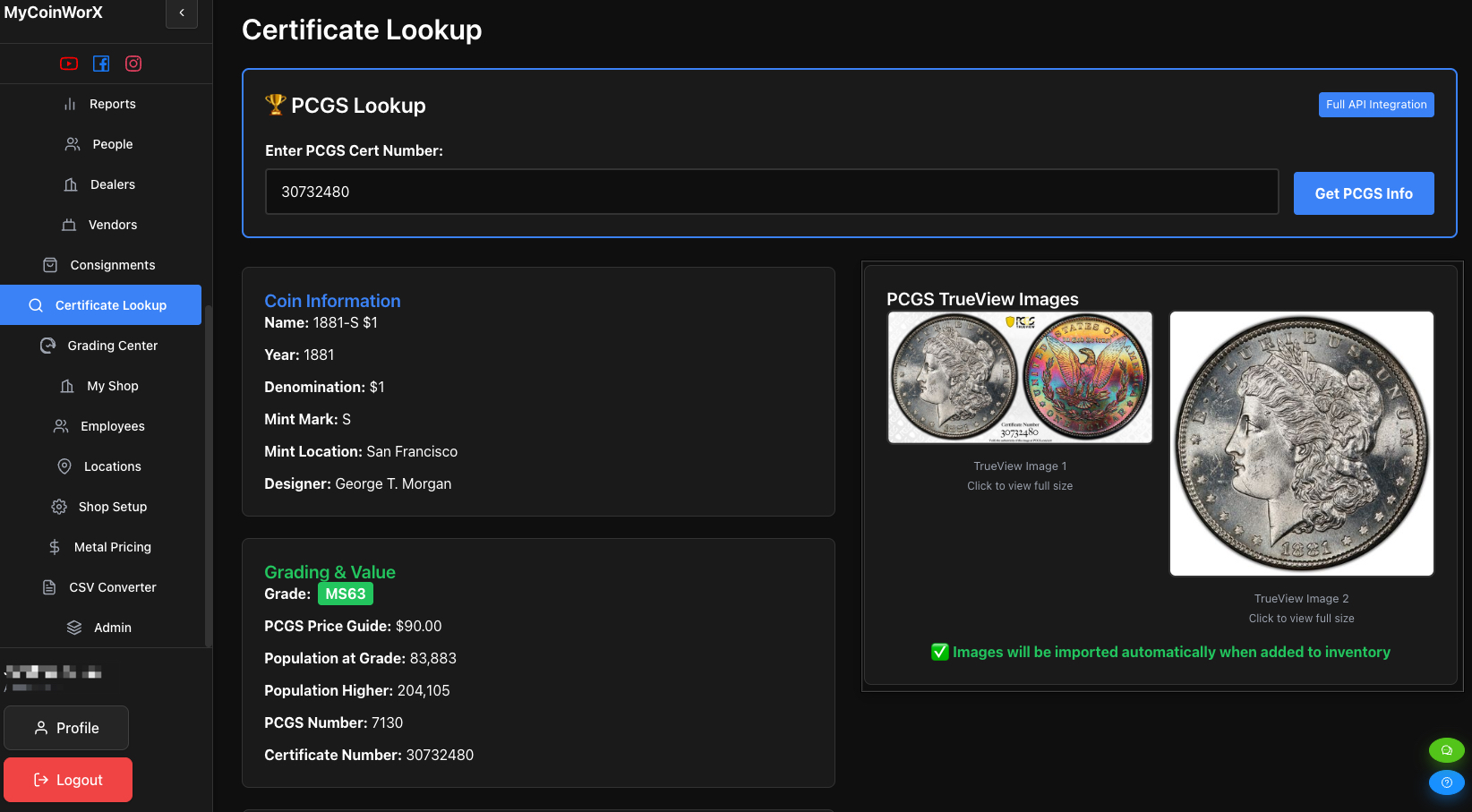
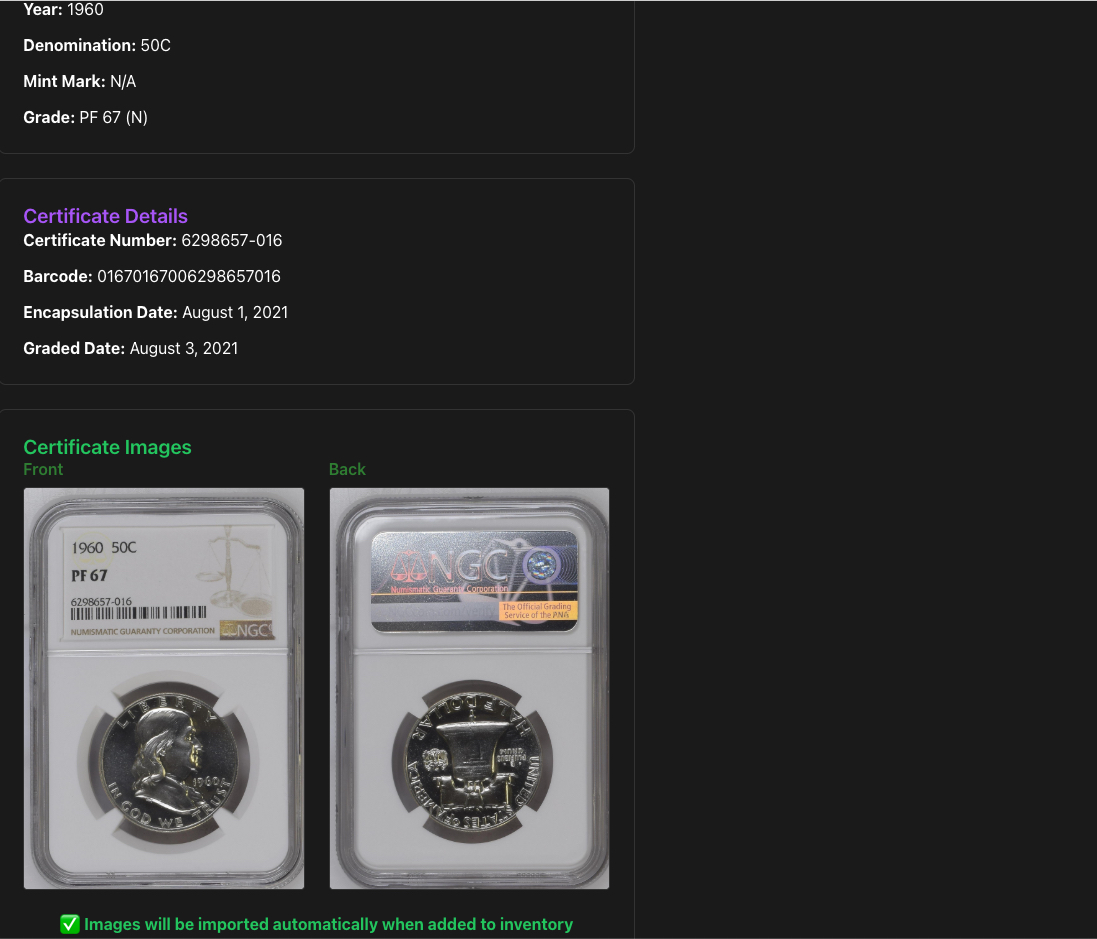
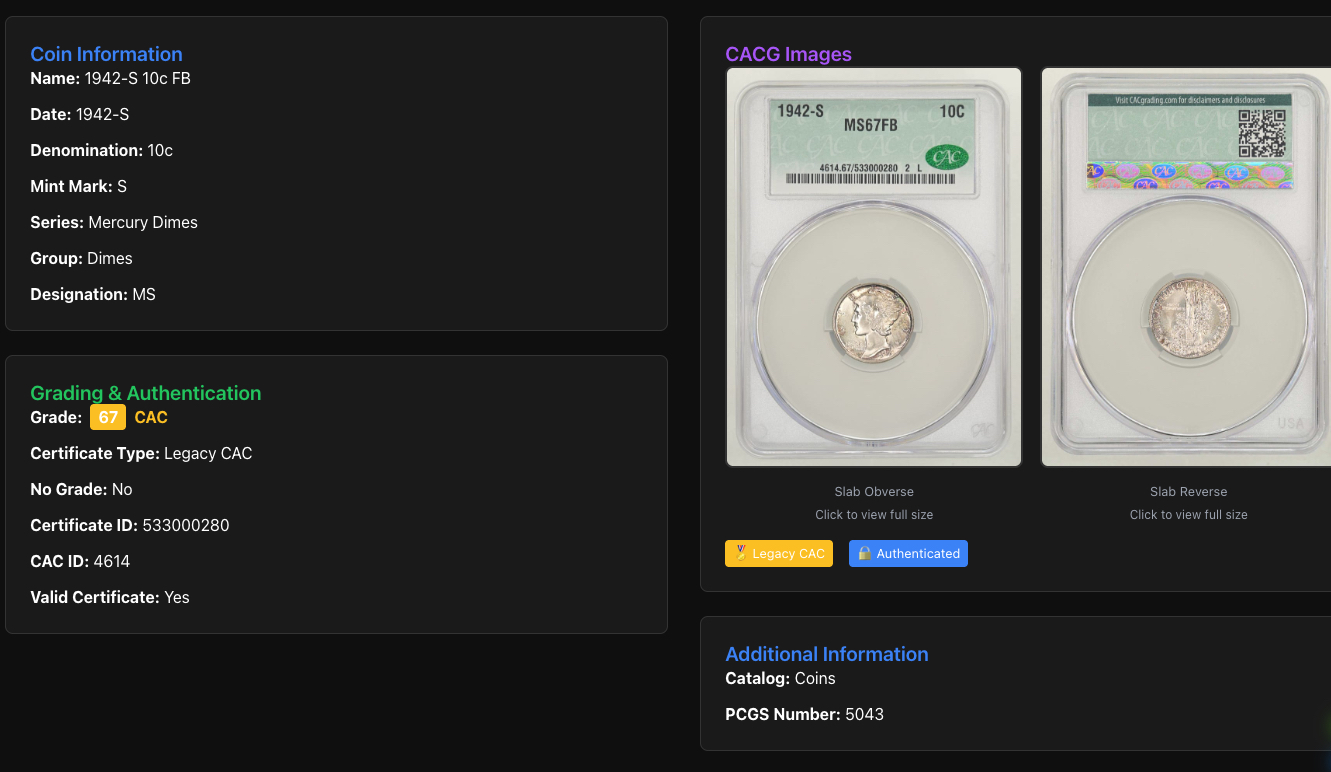
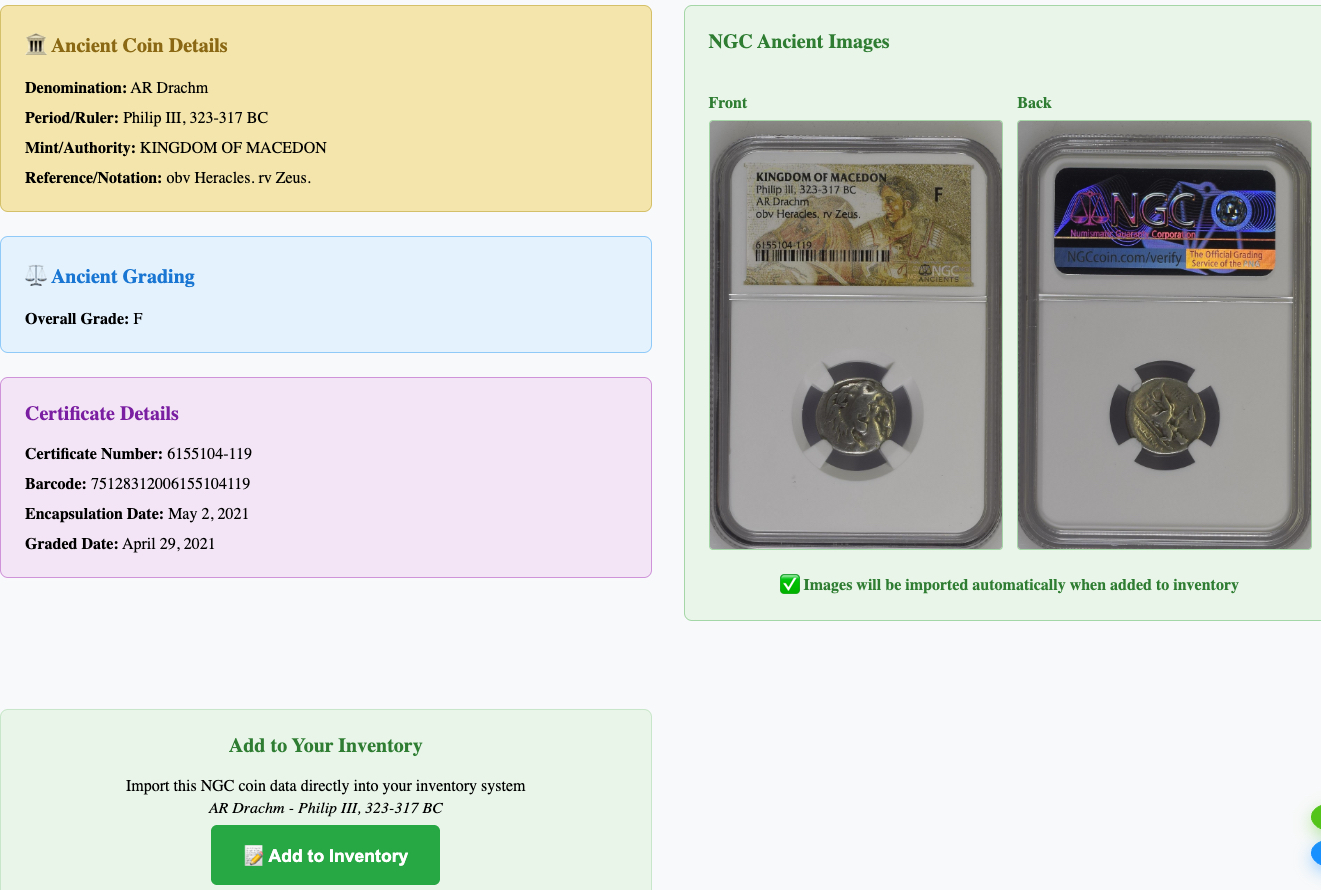
Direct connections to PCGS, NGC, CACG, and PMG save hours and reduce errors.
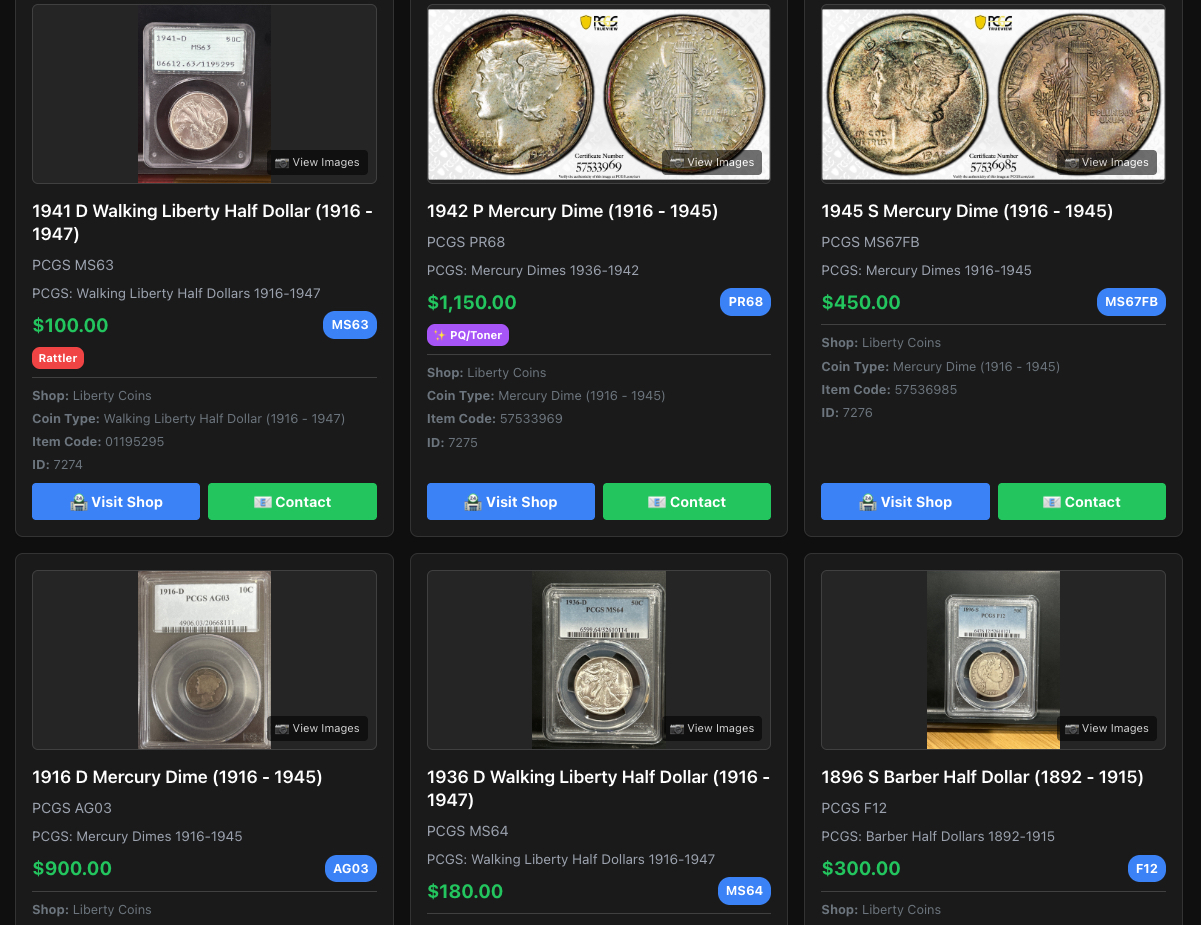
You should be able to see what your coins are worth without jumping between platforms.
From raw coins to bulk silver to slabbed rarities—everything should live in one place.
Your inventory should be available whether you’re at home, at a show, or buying a collection on the spot.
Most platforms force you to choose between collector simplicity and dealer functionality.
MyCoinWorX doesn’t.
It was built for both from the start.
You can:
It’s one system that grows with you—whether you’re organizing your collection or running a full coin shop.
If you’re purely collecting and don’t plan to sell, simple coin software might be enough—for now.
But if you:
You’ll outgrow basic tools quickly.
And switching systems later is always harder than starting with the right one.
The difference between coin software and coin dealer software isn’t just features—it’s mindset.
One helps you track what you have.
The other helps you actually use it.
Most collectors today sit somewhere in between, whether they realize it or not.
If your current setup feels clunky, slow, or incomplete, it’s probably not you—it’s the tool.
And once you experience a system that actually fits how you collect and operate, going back isn’t really an option.


© 2026 MyCoinWorx. All rights reserved. | Terms and Conditions Frederick, MD | Built by a Proud Coin Collector | Privacy and TOS
Design and Developed by 11thAgency