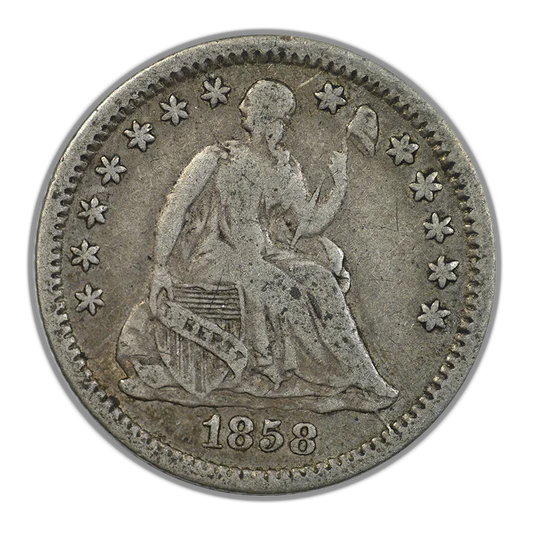
Get a realistic approach to raw coin pricing without the guesswork. This guide breaks down how to value ungraded coins using condition tiers, real market ranges, and a conservative pricing model—plus a look at MyCoinWorX’s new feature designed to help collectors and dealers price raw coins with confidence.
If you’ve ever tried to figure out raw coin pricing, you already know the problem: two coins that look “about the same” can have wildly different values.
That’s because raw coins live in a gray area. One might be a worn-out piece with no collector demand. Another could be a sleeper with strong eye appeal that jumps in value once graded. Most fall somewhere in between—and that’s where things get tricky.
We just rolled out a new feature in MyCoinWorX designed specifically to make this easier. It won’t magically turn a raw coin into a slabbed one—but it will give you a realistic, dealer-minded way to price what you actually have.
Raw coins are inherently inconsistent.
Unlike certified coins, there’s no third-party grade to anchor the value. You’re relying on:
The biggest issue? Range of outcomes.
A raw coin could be:
Most raw coins, realistically, fall into circulated categories. But pricing guides don’t always reflect that clearly.
If you price raw coins incorrectly, it creates friction—fast.
Collectors walk in with inflated expectations. Dealers end up explaining why a coin isn’t worth what an app says it is. And deals fall apart over mismatched assumptions.
Let’s be blunt for a second.
Apps like CoinSnap tend to inflate values dramatically. They often show idealized or retail-level pricing without context. That leaves dealers in the uncomfortable position of saying:
“Yeah… that’s not what this coin is worth.”
That’s not a great experience for anyone.
What’s missing is context—realistic ranges based on actual condition tiers.
Instead of pretending every raw coin fits a single value, the smarter approach is to work within condition-based ranges.
That’s exactly how dealers think:
Our new feature breaks this down into four simple tiers:
Well-worn coins. Major details faded. These trade at the low end of value ranges.
Clear wear, but still decent detail. This is where a lot of raw coins land.
Minimal wear. Strong detail. Often close to collector-grade material.
High-end raw coins with slight wear. These can carry meaningful premiums.
Instead of forcing a single number, you select the tier that best matches your coin—and we show you real price guide ranges tied to that level.
Raw coin pricing mistakes usually fall into a few patterns:
Most raw coins are not AU—even if they look “pretty nice.” Small wear differences matter more than people think.
If the number feels too high, it probably is. Pricing without context leads to unrealistic expectations.
A price guide value isn’t the same as what coins actually sell for. Dealers factor in liquidity, demand, and risk.
Not all raw coins are candidates for grading. Some are simply circulated coins with limited upside.
We built this feature to reflect how real dealers think—not how generic apps estimate.
Here’s what it does:
That last part matters.
We intentionally back values down to keep estimates realistic. Raw coins carry risk—grading uncertainty, hidden issues, market variability—and pricing should reflect that.
The goal isn’t to inflate numbers. It’s to give you a usable, honest baseline.
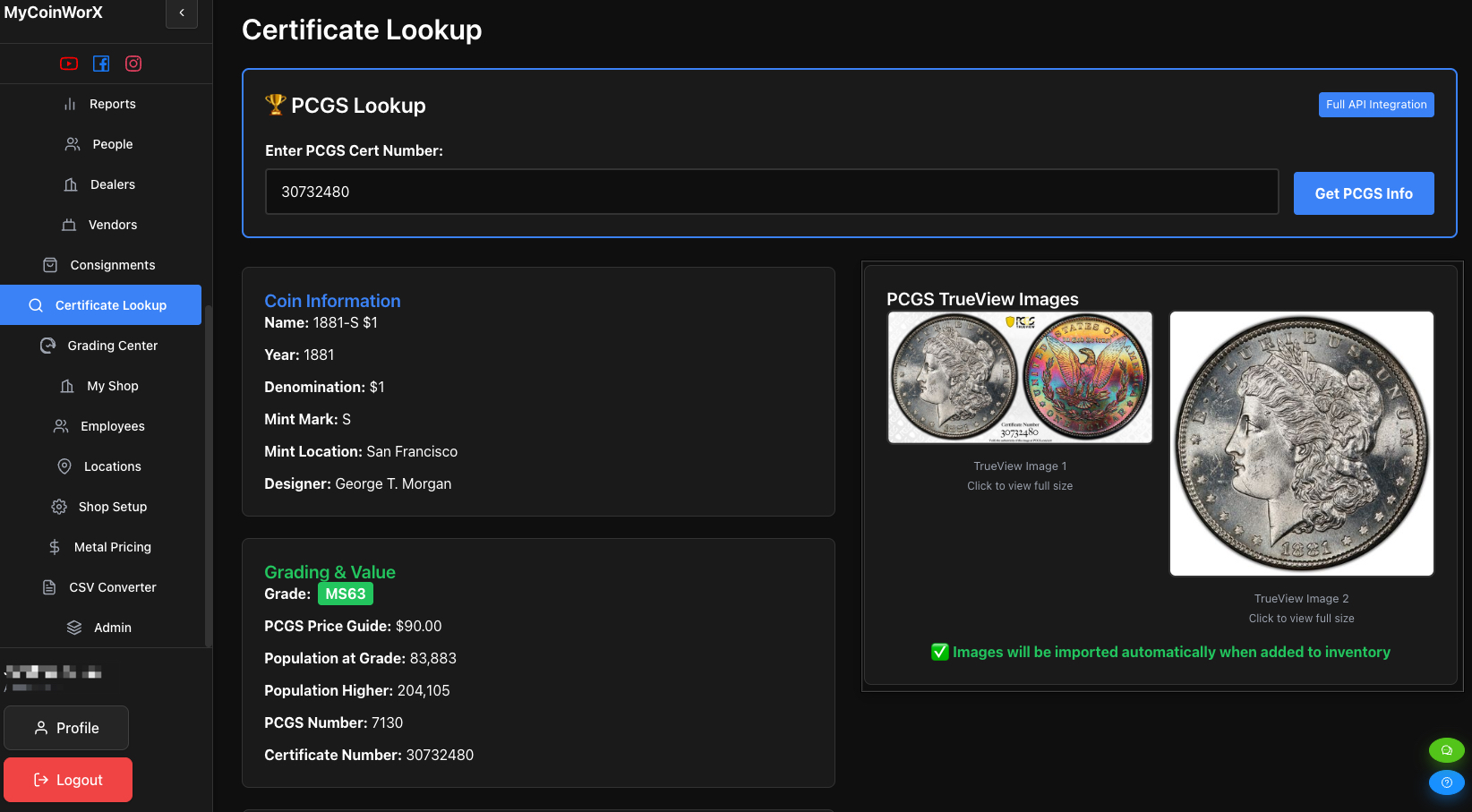
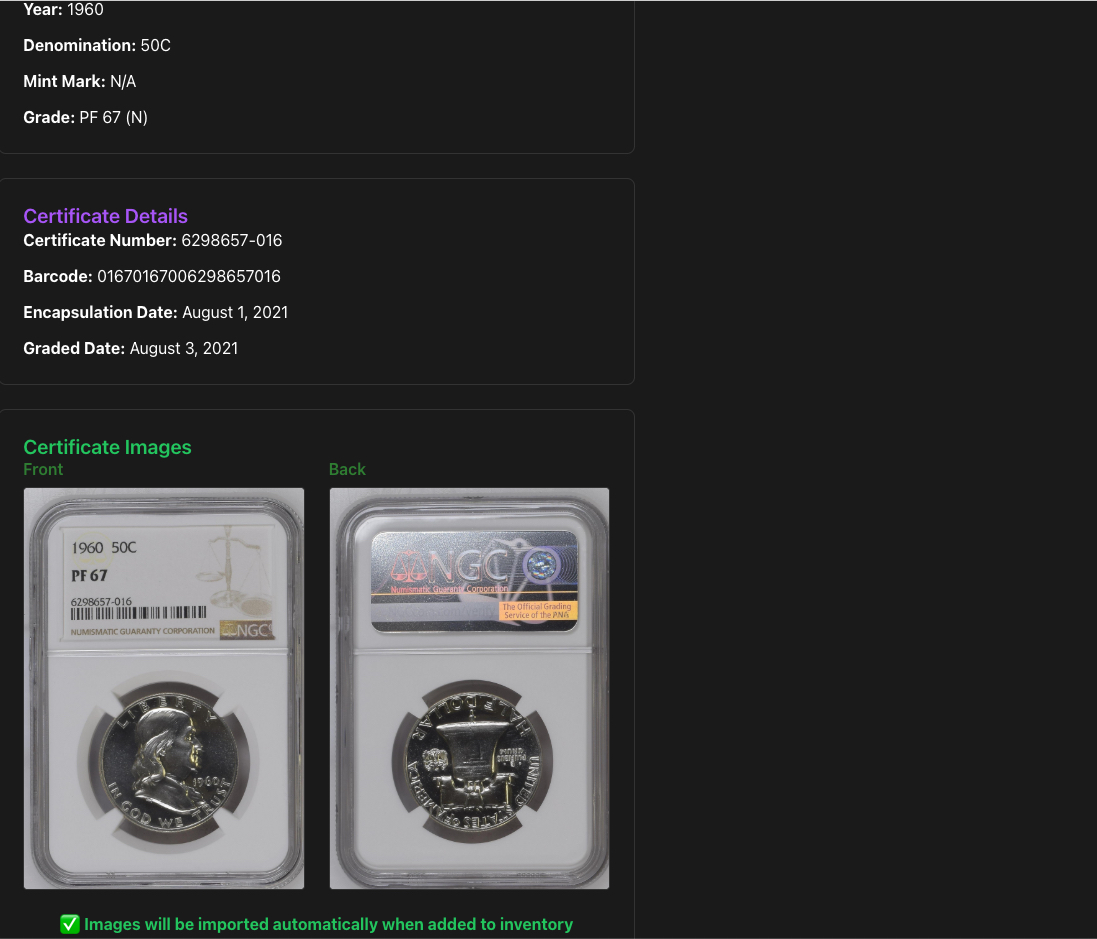
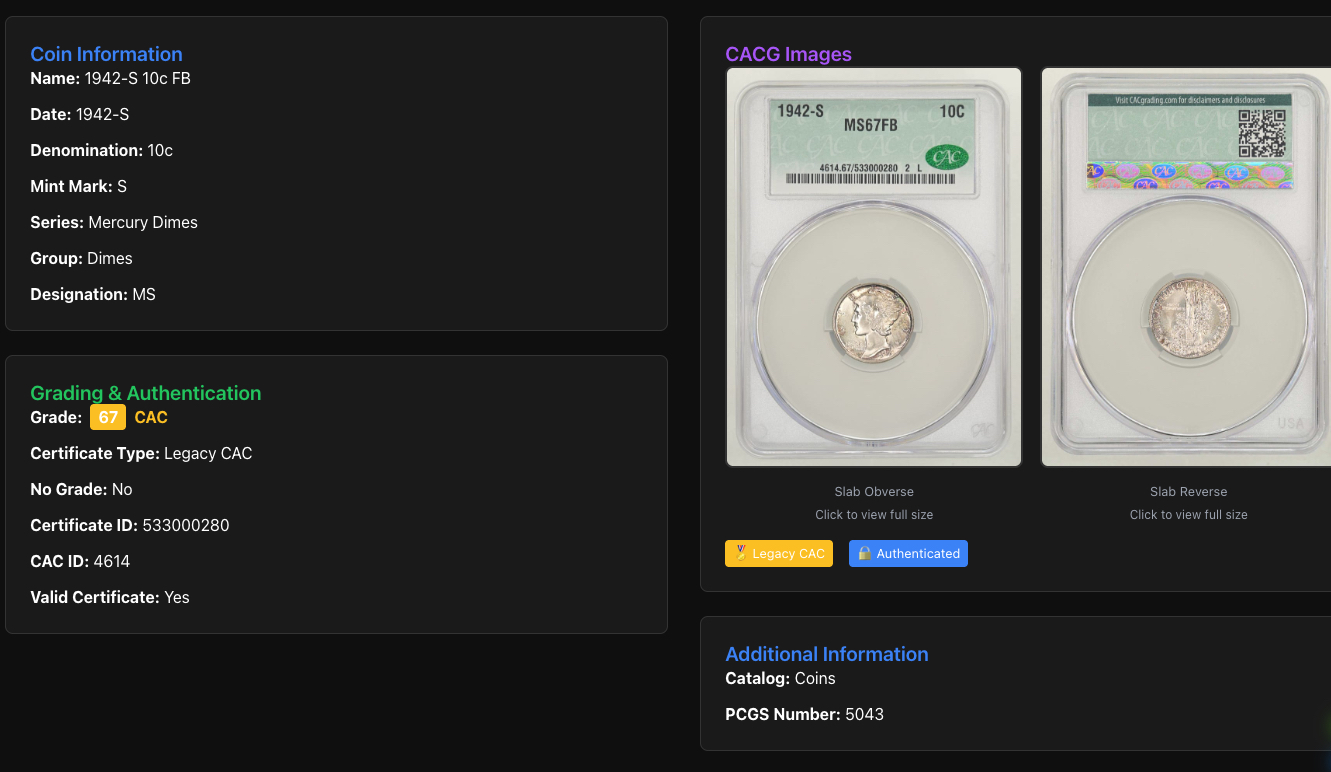
This fits directly into the broader MyCoinWorX pricing tools, where you can already track market analysis, inventory values, and collection data across both raw and graded coins .
This isn’t about replacing grading expertise. It’s about giving you a structured way to think about value.
Instead of asking:
“What’s this coin worth?”
You’re asking:
“Where does this coin realistically fall—and what do coins in that range actually sell for?”
That’s a much better question.
And it leads to:
Raw coin pricing will never be perfect—and it shouldn’t be.
There’s always going to be a range. There’s always going to be judgment involved. But that doesn’t mean you have to guess.
By breaking coins into realistic condition tiers and grounding values in actual market ranges, you can price raw coins in a way that makes sense—for both collectors and dealers.
If you’re still relying on spreadsheets or inflated app estimates, you’re making things harder than they need to be.
The new MyCoinWorX raw pricing feature gives you a cleaner, more practical way to handle one of the most frustrating parts of the hobby.
And once you start using it, you’ll probably wonder why pricing raw coins ever felt so unclear in the first place.


© 2026 MyCoinWorx. All rights reserved. | Terms and Conditions Frederick, MD | Built by a Proud Coin Collector | Privacy and TOS
Design and Developed by 11thAgency