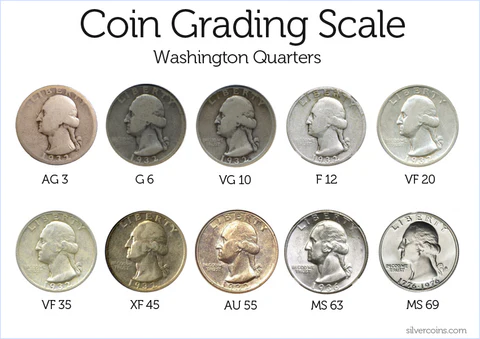
A complete guide to the coin grading scale, including PCGS, NGC, and ANACS standards, plus a full breakdown of the Sheldon Scale (1–70). Learn how coin grades impact value and how to accurately grade and track your collection.
If you’re building, buying, or managing a coin collection, understanding the coin grading scale is one of the most important factors in determining value.
From third-party grading standards like PCGS, NGC, and ANACS to the widely used Sheldon Scale (1–70), grading defines a coin’s condition—and directly impacts what it’s worth in the market.
For collectors and dealers using coin collection software or inventory systems like MyCoinWorX, accurate grading ensures your collection reflects true, real-time value.
The term “coin grading scale” doesn’t refer to just one system—it represents a standardized framework used across the industry, enforced by professional grading services.
All of these organizations use a shared grading foundation (the Sheldon Scale), which allows:
Without standardized grading, pricing coins would be subjective—and far riskier.
At the core of every modern coin grading system is the Sheldon Scale, a 70-point grading system developed in 1949.
It assigns a numeric grade from 1 (lowest condition) to 70 (perfect condition).
These coins have been used in commerce and show varying levels of wear:
These coins were never circulated and retain their original mint condition:
A jump from MS-64 to MS-65 can significantly increase value—sometimes by hundreds or thousands of dollars.
That’s why precision in grading is critical, especially for:
Understanding the scale is one thing—applying it correctly is where collectors gain an edge.
Wear appears first on the highest parts of a coin’s design. Check these areas closely to determine circulated vs. uncirculated condition.
Even within the same grade, coins with better luster and visual appeal command higher prices.
Professional grading uses up to 5x magnification. Overusing magnification can lead to overly harsh grading.
Use PCGS or NGC reference images to benchmark your coins against professionally graded examples.
For serious collectors, spreadsheets aren’t enough.
A proper coin inventory management system allows you to:
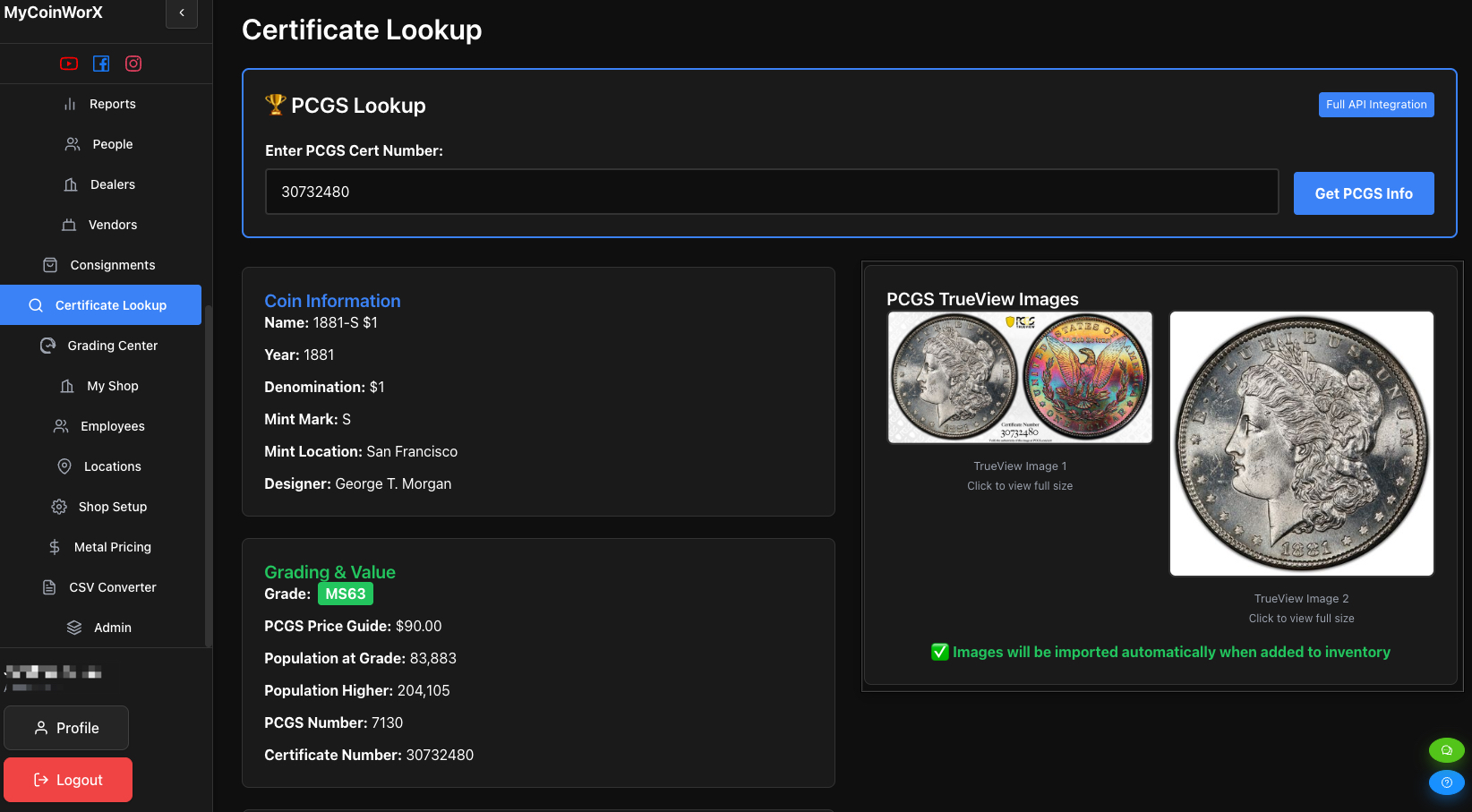
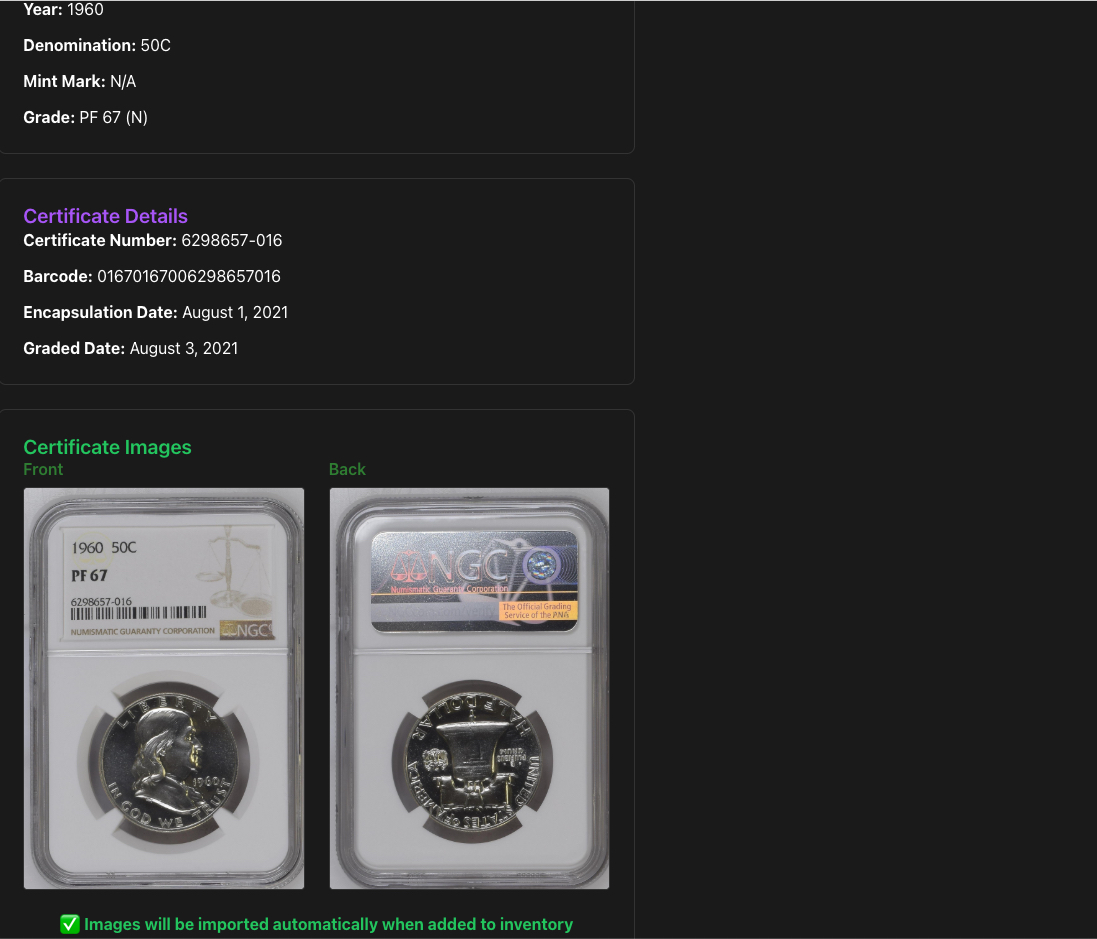
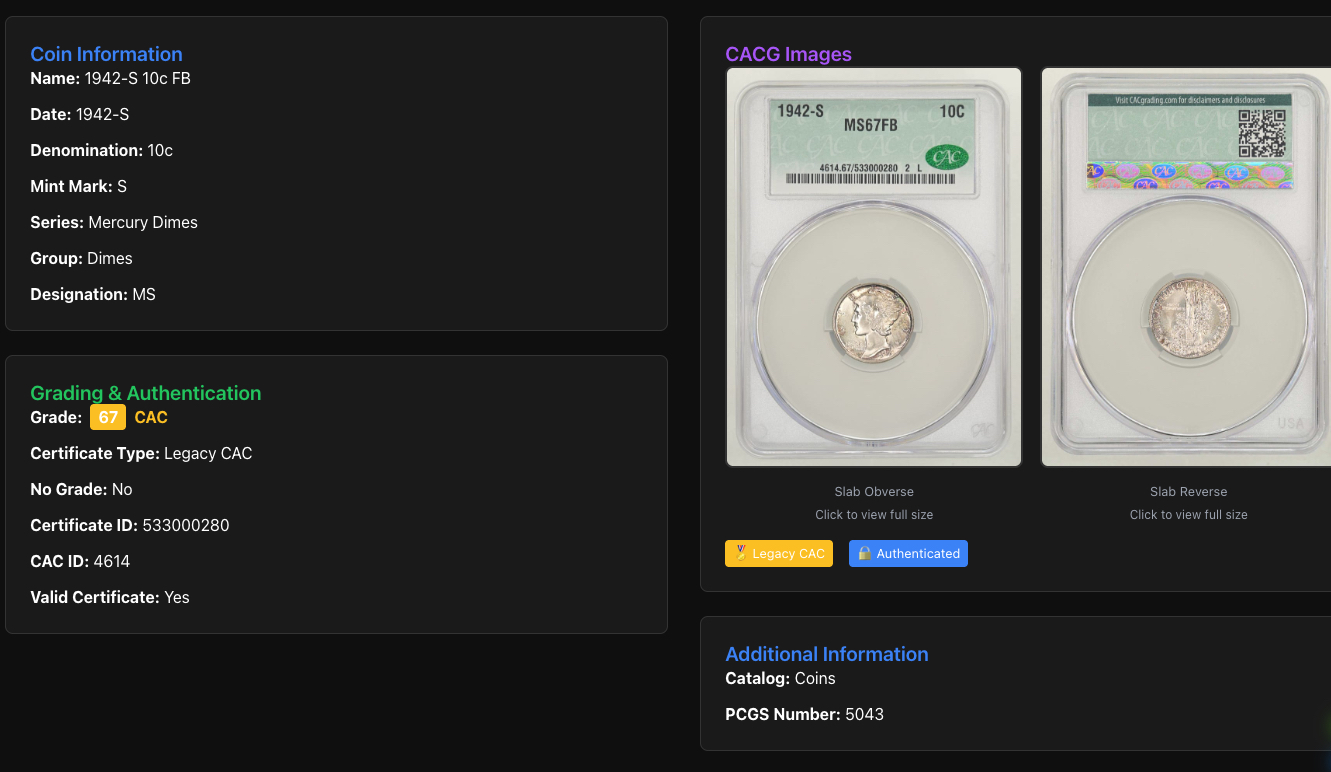
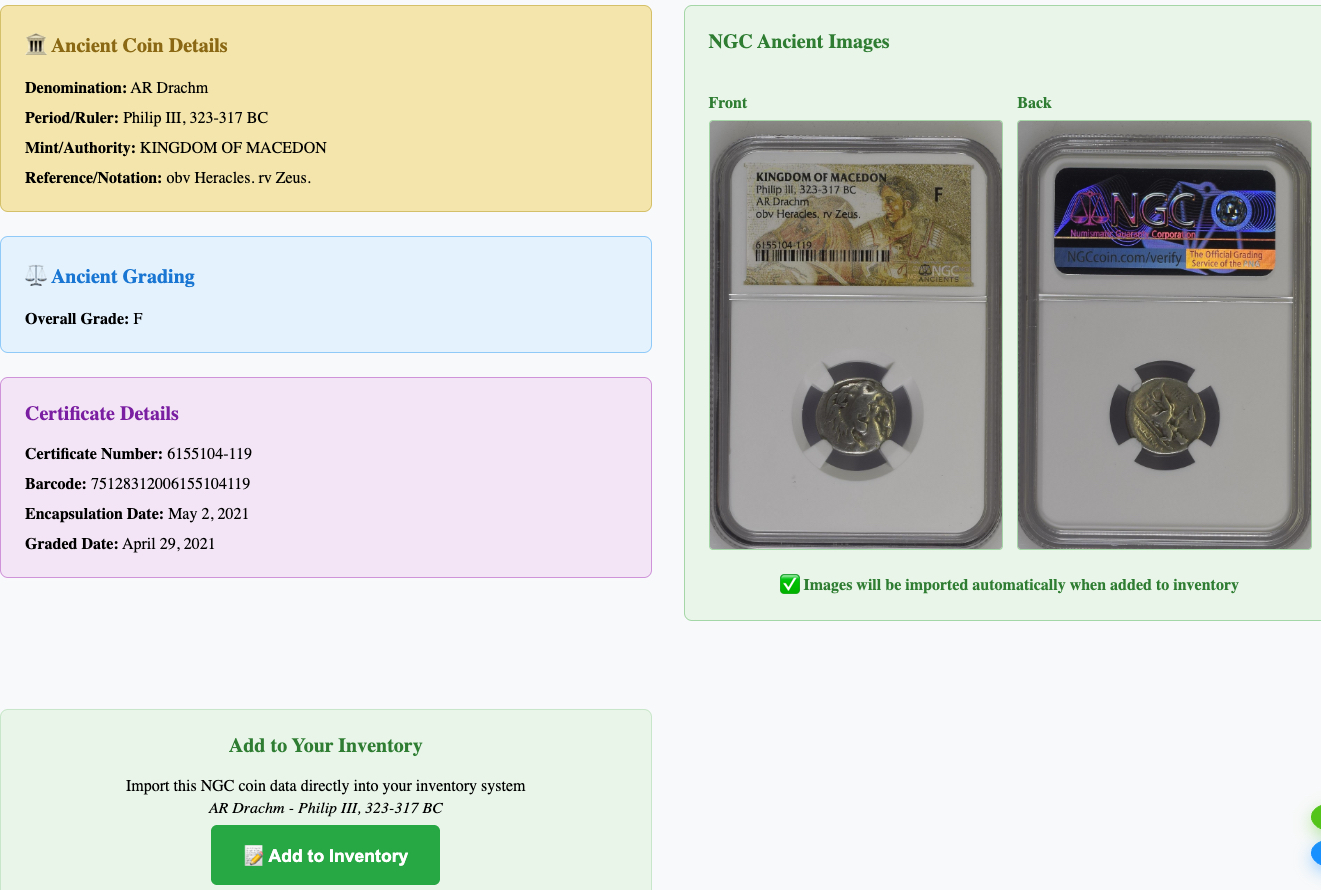
With MyCoinWorX, collectors and dealers can import certified coin data directly from PCGS, NGC, and CACG—including images—creating a complete digital record for valuation, insurance, and resale.
Whether you’re just learning the basics or managing a high-value collection, understanding the coin grading scale is essential.
The combination of:
…gives you the ability to make smarter decisions when buying, selling, and managing your collection.


© 2026 MyCoinWorx. All rights reserved. | Terms and Conditions Frederick, MD | Built by a Proud Coin Collector | Privacy and TOS
Design and Developed by 11thAgency